How it worksThe science, explained
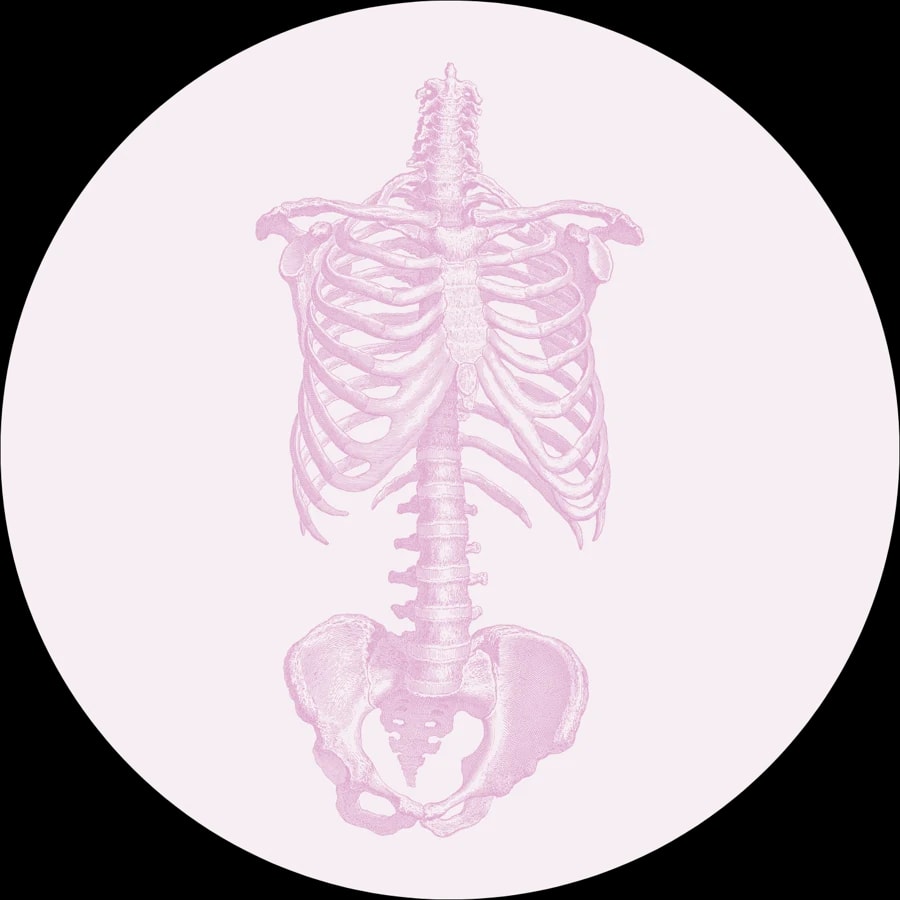
Your skeleton is constantly being broken down and rebuilt by two teams of cells. One team clears old bone, the other lays down new bone. When the teams are in balance, your bones stay strong.
To build bone you need calcium and phosphate, and vitamin D to absorb the calcium from your food. Parathyroid hormone keeps your blood calcium steady, and if you're short, it takes calcium from your bones.
In midlifeWhat changes
Oestrogen is essential for healthy bones. When it falls after menopause, the clearing team gets ahead of the building team and bone density can drop quickly. Bone loss is usually painless, so you won't feel it.
Felt and unfeltAbove and below the surface
On the surface
Usually nothing. That's why our symptom map ticks bone loss for you.
Under the surface
Your bone density, and whether your body has what it needs to keep rebuilding.
Did you knowWorth knowing
Your bones are at their thickest and strongest until your late 20s. From around 35, you start to lose bone gradually.
Source: NHS, Osteoporosis causes
What we look atThe markers, and why
Tap a marker to see what it tells you.
Vitamin D
Helps you absorb calcium from food.
Calcium
The main building block of bone.
Phosphate
Works with calcium to make bone hard.
Parathyroid hormone
Keeps blood calcium steady, drawing on bone if it needs to.
Alkaline phosphatase
An enzyme linked to bone building.
What helpsWhere to start
- Weight-bearing exercise such as walking, running or dancing.
- Strength training, which loads the bones and helps keep them strong.
- Enough protein, calcium and vitamin D.
- A DEXA scan, the best way to measure bone strength, if your GP thinks you need one.
Check yourself
Recalling what you've read helps it stick.
When does gradual bone loss usually start?
Bones are at their strongest until your late 20s, and gradual loss starts from around 35.
One blood draw looks at all five systems, read against your symptoms and your stage of life.