FSH and LH: What These Hormones Tell You About Menopause
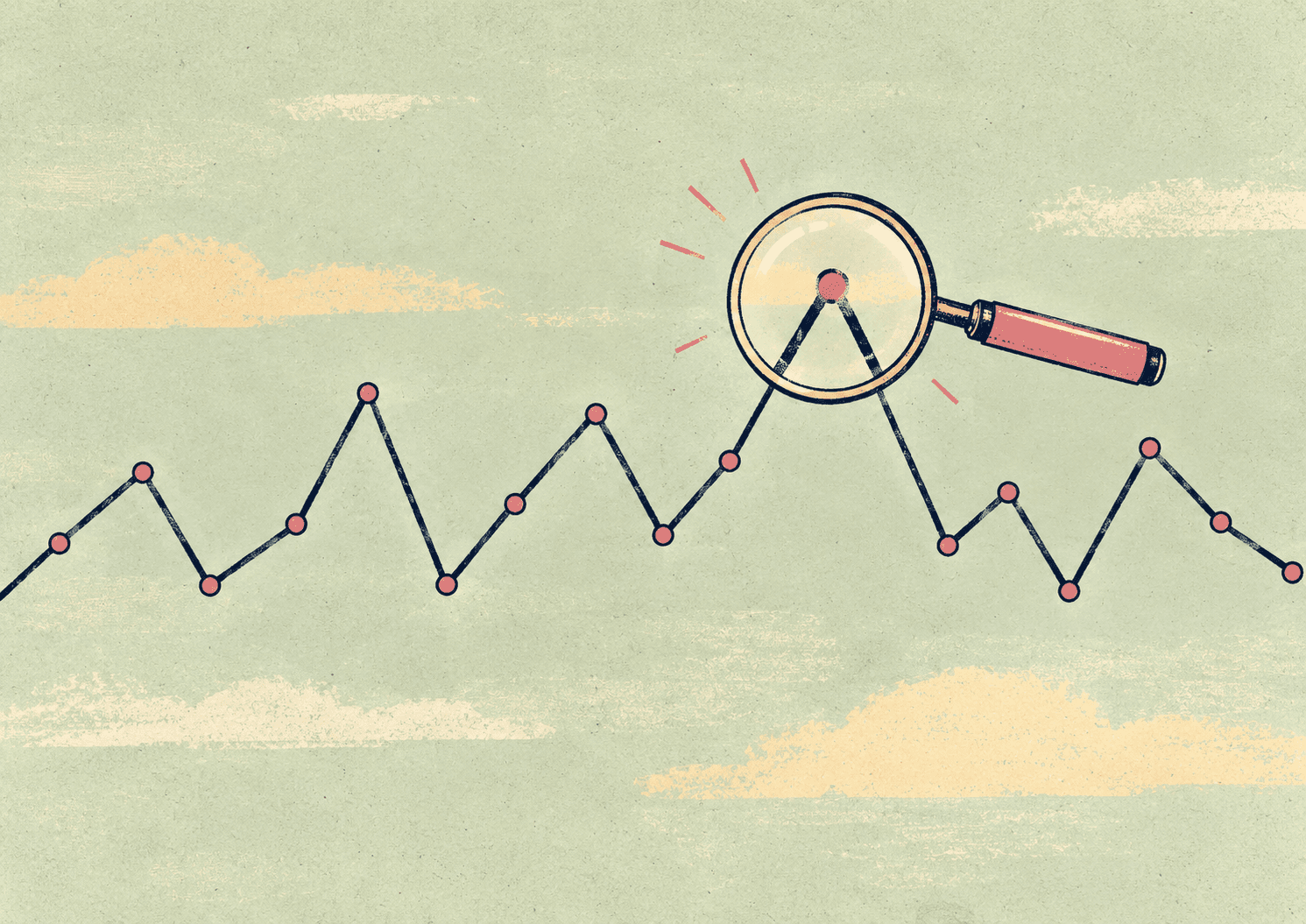
An FSH test can come back "normal" while you feel anything but, and both of those things can be true at once. FSH and LH are hormones made by your pituitary gland, and both tend to rise as the ovaries produce less oestrogen. After menopause FSH settles at a steadily high level, while during perimenopause it can swing so much from week to week that a single result offers only a snapshot.
Knowing what these tests measure, and where they fall short, can help you get more out of a conversation with your GP.
What are FSH and LH?
Both hormones come from the pituitary gland in your brain, and they work together to run the reproductive cycle. FSH, or follicle-stimulating hormone, prompts follicles in the ovaries to develop. LH, or luteinising hormone, triggers ovulation.
The two operate in a feedback loop with your ovaries. As the ovaries produce less oestrogen, the pituitary makes more FSH and LH to try to compensate. That compensating rise is what makes a raised FSH useful as a marker of declining ovarian function.
What FSH level is seen in menopause?
In studies of women after menopause, FSH stays high, typically above 30 IU/L and often well above that. At this stage the reading is far more stable than it was in the years before.
During perimenopause FSH behaves very differently, moving a lot from one week to the next. A reading taken on one day might sit within the normal premenopausal range, and the same woman tested four weeks later might get a much higher result.
Both readings are accurate. Each one captures a single moment in a system that is in flux, which is why what a result means for you is a conversation for a clinician who can see it alongside your symptoms and history.
Can a normal FSH result rule out perimenopause?
A single normal FSH result cannot rule out perimenopause. NICE guideline NG23 states that perimenopause is a clinical diagnosis in women over 45, made on the basis of symptoms and age, and that blood tests are not routinely needed. Reading one FSH result as a definite yes or no asks more of the test than it was designed to give at a stage when hormone levels are fluctuating.
What does a fuller hormone panel include?
FSH on its own offers a narrow view of your hormones. A more complete panel would also include oestradiol, progesterone (which reads differently depending on when in your cycle you test), testosterone with SHBG, AMH and thyroid function. Thyroid conditions share many symptoms with perimenopause, so thyroid markers add useful context for a clinician weighing up the whole picture. Our guides to what biomarkers are and whether to get a blood test in perimenopause go into more detail.
Why tracking FSH over time tells you more
The biggest limitation of hormone testing in perimenopause is that one test gives you a snapshot of a moving picture. Picture a woman who tested her hormones at 40, when her levels sat in a stable premenopausal range. She now has a personal reference point.
If her FSH comes back noticeably higher on a repeat test, even while it still falls within the broad population reference range, she and her clinician can see a change the population range would never show. Without a baseline, she would have nothing to measure the movement against. Our guide to reading your hormone test results explains reference ranges in more depth.
Building that personal baseline is the thinking behind the test, which looks at how your hormones change over time so you can see your own pattern.
Questions women ask
What is a normal FSH level in perimenopause?
No single number defines it, because FSH moves a lot from week to week during perimenopause. One reading may fall in the normal premenopausal range and another, four weeks later, may be much higher. After menopause FSH stays high, typically above 30 IU/L.
Can a blood test confirm perimenopause?
No. NICE guideline NG23 says that for women over 45, perimenopause is a clinical diagnosis made by a clinician based on symptoms and age, and blood tests are not routinely needed. Testing earns its place as information, through tracking your results over time and looking at the wider picture beyond FSH.
What is the difference between FSH and LH?
The pituitary gland makes both. FSH prompts follicles in the ovaries to develop, and LH triggers ovulation. Both rise as the ovaries produce less oestrogen.
References
NICE. (2019). Menopause: diagnosis and management. Guideline NG23.
Burger HG, et al. (2007). A review of hormonal changes during the menopausal transition. Human Reproduction Update, 13(6): 559–565.
Randolph JF, et al. (2011). Change in follicle-stimulating hormone and estradiol across the menopausal transition. Journal of Clinical Endocrinology and Metabolism, 96(3): 746–754.
Ready to know your normal?
Choose your testKeep reading.
 Biomarker Testing
Should You Get Your Blood Tested for Perimenopause? The Case for Testing Early
Why testing early sets your own baseline, why tracking over time tells you more than one result, and what a useful perimenopause blood panel includes.
6 min read
 Biomarker Testing
What Are Biomarkers? And What Can They Tell You About Your Health?
What a biomarker is, the hormone and metabolic markers that matter in menopause, and why one test at one point in time has its limits.
4 min read
 Biomarker Testing
How to Read Your Hormone Test Results: A Guide to What You Are Looking At
What reference ranges mean, how to read oestradiol, FSH, progesterone and testosterone results, and why the way they change matters most.
5 min read