How to Talk to Your GP About Menopause (Including What to Say If You Get Dismissed)

Ten minutes is not long to explain months of changes, especially when they range from sleep to mood to your cycle. The women who get the most from that slot tend to walk in with a written record of their symptoms, a working knowledge of the NICE menopause guideline and a clear idea of what they want to discuss. That preparation gives you firm ground to stand on if the conversation stalls.
Women report every kind of experience from these appointments. Some leave with a clear plan and treatment that suits them. Others hear that their FSH result is normal and so nothing hormonal can be going on, or come away with antidepressants when they suspected menopause was part of the story.
That gap reflects the years in which UK medical training gave menopause too little attention. Many GPs are excellent on menopause, and coming prepared helps both of you get further in ten minutes.
What should I bring to a menopause appointment?
Start with a symptom diary. A handwritten list will do, as long as it covers what you have noticed, when each symptom began, how often it happens and how it affects your daily life. Writing it down helps you say everything you need to within the time you have.
Add a note of your menstrual pattern over the past six to twelve months, any relevant personal or family medical history and the medications you currently take. If you have had private hormone tests, bring the results with you.
What does the NICE guideline say about menopause?
NICE guideline NG23 covers the diagnosis and management of menopause, and a few of its points are useful to know before you walk in. For women over 45, doctors diagnose perimenopause from symptoms and age alone and do not routinely need blood tests. That is why a single "normal" blood test does not settle the question for women in this age group.
The guideline also says GPs should offer HRT to women with menopause symptoms, after discussing individual risks and benefits. It sets no routine age limit on HRT and no requirement to stop after five years without a specific clinical reason.
What can I ask my GP for?
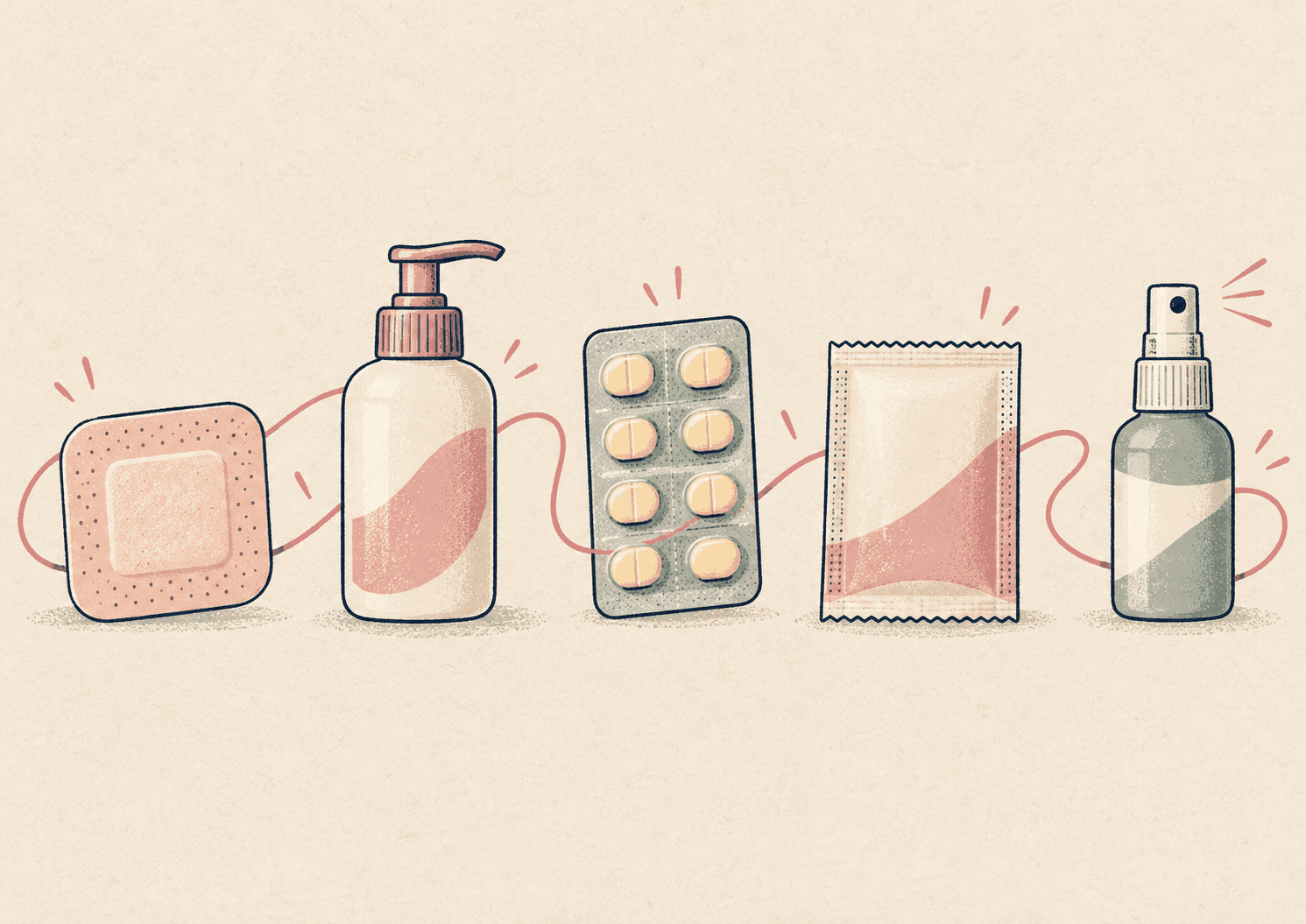
If you want to discuss HRT, you can raise it directly. Your GP can explain the different types and routes, from patches, gels and sprays to tablets, and whether you need a progestogen as well. Transdermal oestradiol and micronised progesterone (Utrogestan) are both available on NHS prescription, and you are free to ask about them by name. Our guide to the types of HRT explains how the options differ, and what HRT is covers the basics.
If HRT does not appeal or is not suitable for you, you can ask about non-hormonal options in the same appointment.
What to do if your GP dismisses your symptoms
Some responses fall short of current clinical guidance. You might be told that a normal blood test means nothing hormonal is happening, or that you are too young, or you might be offered antidepressants for low mood with no discussion of whether menopause could be playing a part.
If that happens, you still have options. You can ask to see a different GP within the same practice, and you can ask for a referral to a menopause clinic. The Menopause Support charity at menopausesupport.co.uk and the British Menopause Society's patient information pages publish clear, evidence-based material you can take into appointments.
You have the right to be taken seriously, and clinical guidance increasingly backs that right in writing.
A clear record of your symptoms, and of your own results over time if you have them, gives any clinician more to work with than a single snapshot. Our guide on whether to get a perimenopause blood test looks at where testing fits, and the test explains how Hysteron tracks your biomarkers across the transition.
Questions women ask
Do I need a blood test to be diagnosed with perimenopause?
If you are over 45, usually not. NICE guideline NG23 says doctors can diagnose perimenopause in women over 45 from symptoms and age, and blood tests are not routinely required. A single normal result does not mean nothing hormonal is happening. Many women still choose to test, to set a baseline and see the wider picture, including heart, bone and metabolic markers alongside hormones.
Can I ask my GP for HRT?
Yes. You can raise HRT directly, and NICE guidance says GPs should offer it to women with menopause symptoms after discussing individual risks and benefits. You can also ask about specific products, such as transdermal oestradiol or micronised progesterone, by name.
What can I do if my GP dismisses my menopause symptoms?
You can ask to see a different GP within the same practice or ask for a referral to a menopause clinic. Evidence-based information from the British Menopause Society or Menopause Support can help you explain what you are experiencing and what current guidance says.
References
NICE. (2019). Menopause: diagnosis and management. Guideline NG23.
Menopause Support. Available at: menopausesupport.co.uk
British Menopause Society. Available at: thebms.org.uk
UK Parliament Health and Social Care Committee. (2022). Menopause and the workplace. HC 91.
Ready to know your normal?
Choose your testKeep reading.
 Treatment
What Is HRT? A Clear, Balanced Guide
What hormone replacement therapy is, how it works, the different types, and a balanced look at benefits and risks so you can make an informed choice.
4 min read
 Treatment
Types of HRT: Patches, Gels, Tablets and Body-Identical Options
Patches, gels, tablets, sprays and vaginal oestrogen explained, plus the difference between regulated body-identical and compounded bioidentical hormones.
2 min read
 Biomarker Testing
Should You Get Your Blood Tested for Perimenopause? The Case for Testing Early
Why testing early sets your own baseline, why tracking over time tells you more than one result, and what a useful perimenopause blood panel includes.
6 min read