Menopause and Type 2 Diabetes: The Metabolic Shift Nobody Mentions
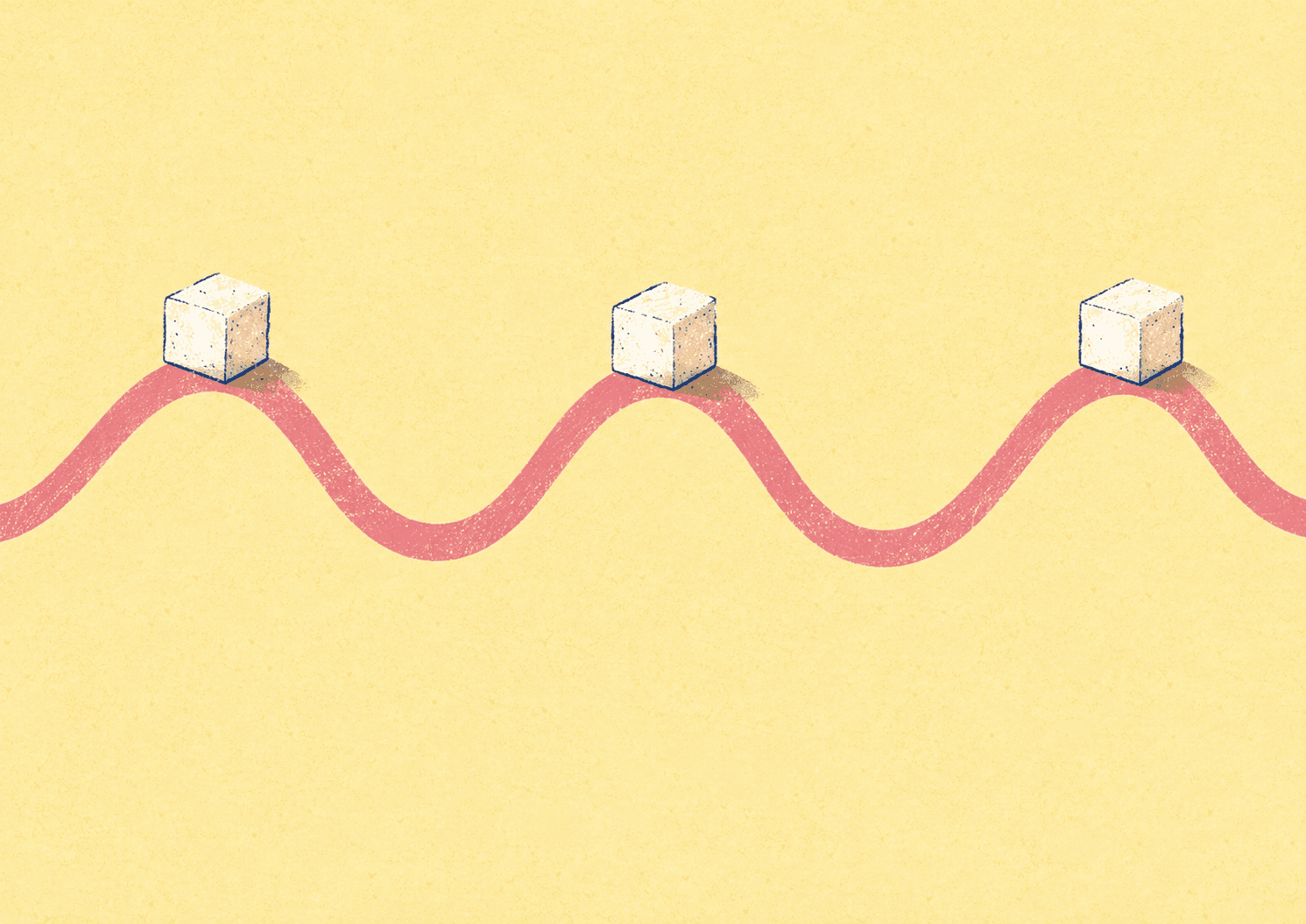
Hot flushes get the headlines and bones get the leaflets, while blood sugar barely gets a mention. Menopause can raise the risk of type 2 diabetes, because falling oestrogen tends to make the body less sensitive to insulin and moves fat towards the middle, and both push blood sugar in the wrong direction. The shift happens gradually, and it can be measured and tracked over time, which makes it well worth understanding.
What happens to blood sugar and insulin in menopause?
Oestrogen helps your muscle and fat tissue take up glucose from the blood, and it supports the beta cells in your pancreas that make insulin. As oestrogen falls, insulin sensitivity tends to drop and the body becomes less efficient at managing blood glucose. In studies, glucose levels can drift upward over the transition, and on average type 2 diabetes risk rises over time.
A change in where you store fat adds to this. Falling oestrogen shifts fat towards your abdomen as visceral fat, the kind that sits around your organs. Visceral fat releases inflammatory cytokines and free fatty acids that interfere with insulin signalling in your liver and muscles. That drives insulin resistance further and sets up a cycle that feeds itself. Our guide to weight gain in menopause explains the fat shift in more detail.
Can poor sleep affect blood sugar in menopause?
It can, and perimenopause often brings short or broken sleep. Poor sleep disrupts glucose metabolism on its own, separate from any hormonal change. It lowers insulin sensitivity and raises cortisol, which in turn pushes up blood glucose. It also increases your appetite for calorie-dense food.
When the disruption goes on for months, the effect on your metabolism adds up. Better sleep helps how you feel during the day, and it supports your blood sugar as well.
What lowers type 2 diabetes risk after menopause?
Resistance training helps your muscles use glucose, which supports insulin sensitivity in the menopausal years, and our guide to strength training in menopause covers how to get started. The Mediterranean dietary pattern has strong evidence for reducing type 2 diabetes risk, and you can read more in nutrition in menopause.
A large randomised trial within the Women's Health Initiative found fewer new cases of diabetes in women taking combined HRT than in women taking a placebo. It is one of many factors that can come up if you discuss HRT with your GP or menopause specialist.
Measuring gives you something concrete to work with. A fasting glucose or HbA1c test as part of a perimenopausal health check sets a baseline, so you and your GP can see how things change over the following years. One result is a snapshot, and repeating it over time shows the direction of travel, which is the idea behind the test.
Questions women ask
Does menopause increase the risk of type 2 diabetes?
On average, menopause is linked with a higher risk. Falling oestrogen tends to lower insulin sensitivity, so the body manages blood glucose less efficiently. It also shifts fat towards the abdomen, and that visceral fat releases substances that interfere with insulin signalling.
Can lack of sleep raise blood sugar?
Poor or fragmented sleep lowers insulin sensitivity, raises cortisol and increases appetite for calorie-dense food. Perimenopause often disrupts sleep, and over months the metabolic effect adds up. Improving sleep supports blood sugar as well as how you feel.
Which blood test checks blood sugar in perimenopause?
Fasting glucose and HbA1c both give a picture of blood sugar. Having one as part of a perimenopausal health check sets a baseline, and repeating it over time lets you and your GP see how your metabolic health is changing. What any single result means for you is a question for your GP.
References
Mauvais-Jarvis F, et al. (2013). The role of estrogens in control of energy balance and glucose homeostasis. Endocrine Reviews, 34(3): 309–338.
Margolis KL, et al. (2004). Effect of oestrogen plus progestin on the incidence of diabetes in postmenopausal women: results from the Women's Health Initiative Hormone Trial. Diabetologia, 47(7): 1175–1187.
Ready to thrive in midlife?
Book my testKeep reading.
 Symptoms
Weight Gain in Menopause: What Is Actually Happening (And Why Eating Less Isn't the Answer)
Falling oestrogen changes where your body stores fat and how it uses energy. Why eating less often isn't the answer, and what the evidence suggests.
4 min read
 Lifestyle
Menopause Nutrition: What to Eat, What to Avoid, and Why It Matters
Protein, calcium, vitamin D and the eating patterns with the strongest evidence. A practical guide to nutrition through perimenopause and menopause.
3 min read
 Lifestyle
Exercise in Menopause: Why Strength Training Matters Now
Resistance training supports muscle, bone and metabolism as oestrogen falls. Why it matters more now, what counts, and where walking and yoga fit in.
4 min read