Testosterone in Women: What It Does in Menopause and How Therapy Works
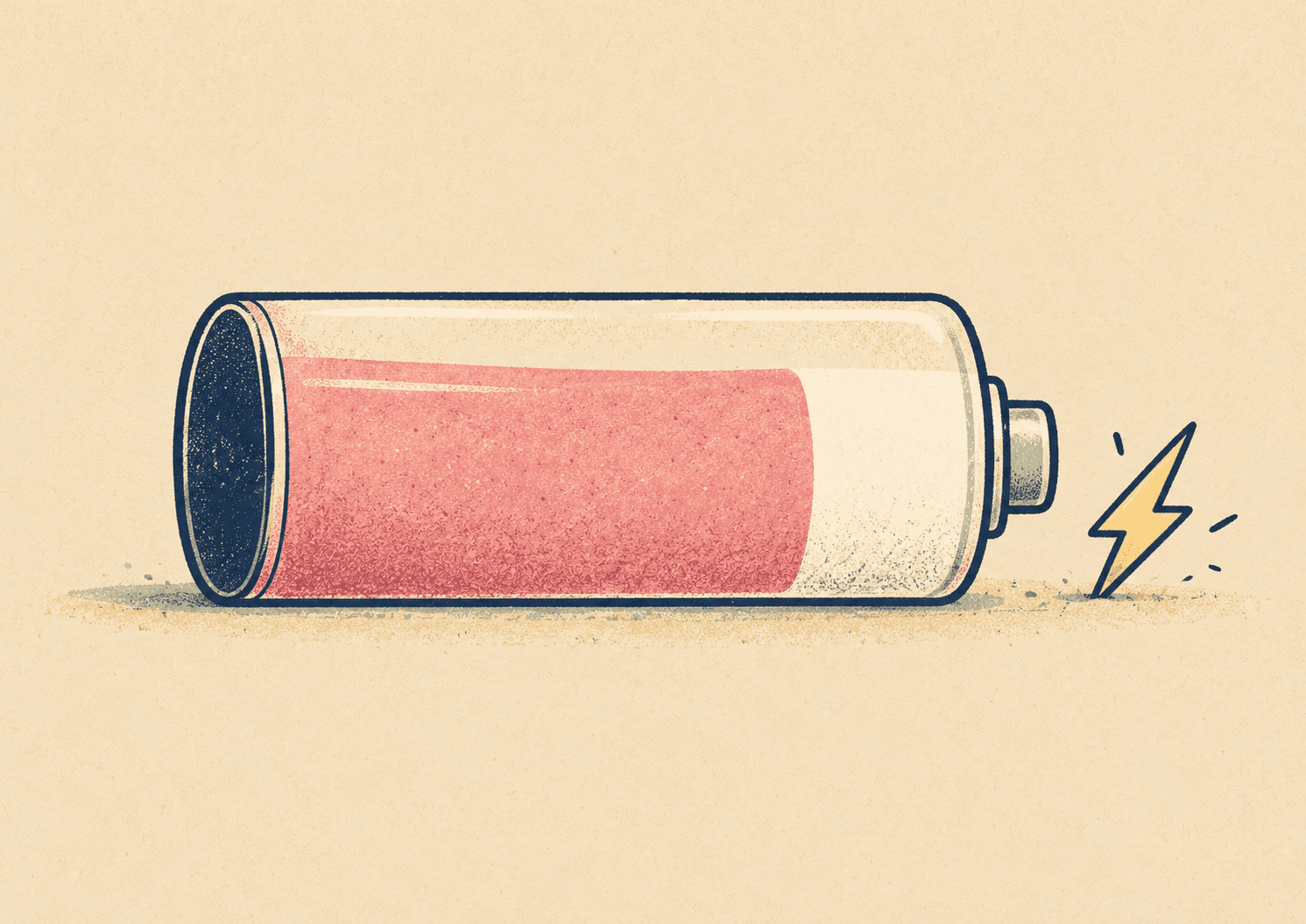
Mention testosterone and menopause in the same breath and the first question is usually whether it is a male hormone. Women make it too, in the ovaries and adrenal glands, and it contributes to libido, energy, mood, focus, muscle mass and bone density. Levels decline gradually through adult life, separately from menopause, and can fall further around menopause as the ovaries' contribution changes.
Testosterone therapy for women uses a small dose, most often as a cream or gel, to bring levels back into the normal female range. The strongest evidence for it concerns low sexual desire that causes distress.
Even so, testosterone is not part of standard NHS hormone panels, and most women have never been told it plays a part in menopause at all. Its place in UK healthcare is unusual. An international evidence base supports its use in some situations, and NICE suggests considering it for low sexual desire when HRT alone has not helped. The UK has no testosterone product licensed for women, which is one reason it can be harder to get.
What does testosterone do in women?
Testosterone binds to androgen receptors in the brain, muscles, bones, skin and reproductive tissues. In the brain it contributes to motivation, focus and mood. Researchers have associated low testosterone with fatigue, difficulty concentrating, low drive and a flat, blunted sense of engagement with life, although each of these can have many other causes. In muscle and bone, testosterone supports strength and helps maintain bone density alongside oestrogen.
Does testosterone affect libido in women?
Testosterone plays a significant part in sexual function. It contributes to desire, to the body's physical response to arousal, and to spontaneous sexual thoughts, which research links with testosterone levels. Desire has emotional and relationship dimensions as well, which our guide to menopause and libido explores.
What is SHBG and why does it matter for testosterone?
SHBG, or sex hormone-binding globulin, is a protein that binds to testosterone in the bloodstream and makes it unavailable to your body. High SHBG means less free testosterone, even when total testosterone looks adequate. Testing total testosterone alongside SHBG, and calculating the free androgen index from the two, gives a more accurate picture of how much testosterone reaches your tissues.
Who is testosterone therapy for?
The clearest indication is hypoactive sexual desire disorder, or HSDD, which means reduced or absent sexual desire that causes personal distress. In 2019 the Global Consensus Position Statement on the use of testosterone in women, endorsed by several major international menopause societies, concluded that the evidence supports testosterone therapy for HSDD in post-menopausal women. NICE guideline NG23 names testosterone as a treatment option when HRT alone has not relieved low libido.
Some women also discuss testosterone with their clinician for persistent fatigue, low motivation, difficulty concentrating or a flat sense of energy that continues despite adequate oestrogen therapy. The evidence for these symptoms is less established than for low desire, and a specialist can explain what the research does and does not show for your situation.
Relatively few women are prescribed testosterone. Part of the reason is that it remains less familiar territory outside specialist clinics, and part is that, until recently, the UK had no testosterone product licensed for women.
How is testosterone prescribed for women in the UK?
That is starting to change. The MHRA has approved AndroFeme 1% cream for postmenopausal women with low sexual desire who are already on HRT, the first testosterone product licensed for women in the UK. NICE is appraising it, so NHS access may vary while that happens. Male-licensed gels such as Testogel are still prescribed off-label, at around one tenth of the male dose. The aim is to bring testosterone into the normal premenopausal female range, far below male levels.
Guidance recommends a blood test three to six months after starting, then once a year. A specialist menopause clinic is often the most direct route to assessment and prescription, and your GP can discuss referral with you. Our guide to types of HRT explains how testosterone fits alongside other treatments.
Is testosterone therapy safe for women?
At appropriate doses, the research to date points to a good safety profile. The 2019 Global Consensus Statement reviewed the available evidence and concluded that, on current data, testosterone at physiological female doses does not adversely affect cardiovascular risk markers or breast cancer risk.
Many women worry about acne, a deepening voice or noticeable hair growth. Effects like these are associated with levels above the female range, which is why clinicians keep doses within it and why regular blood monitoring forms part of treatment. Whether testosterone is an option for you depends on your symptoms and medical history, and a GP or menopause specialist can talk you through the evidence.
Testosterone is one of several hormones that shift across the transition. Knowing your own testosterone and SHBG levels, and how they move over time, gives you and your clinician a fuller picture, and you can see the markers we include on what we test.
Questions women ask
Does testosterone drop during menopause?
Testosterone declines gradually through adult life, separately from menopause. Levels can fall further around menopause as the ovaries' contribution changes. Women produce it throughout their reproductive lives, in the ovaries and adrenal glands, and it contributes to libido, energy, mood, focus, muscle mass and bone density.
Can women be prescribed testosterone in the UK?
Yes. AndroFeme 1% cream is now licensed in the UK for postmenopausal women with low sexual desire who are already on HRT, and doctors also prescribe male-licensed gels off-label at around one tenth of the male dose. NICE guideline NG23 names it as an option when HRT alone has not relieved low libido. Guidance recommends a blood test three to six months after starting, then once a year.
Does testosterone help with menopause fatigue?
The strongest evidence for testosterone in women concerns low sexual desire that causes distress. Some women discuss it for persistent fatigue, low motivation or poor concentration, though the evidence for those symptoms is less established. A specialist can explain what the research shows for you.
Can testosterone cause facial hair or a deeper voice in women?
Effects such as a deepening voice, acne or noticeable hair growth are associated with testosterone levels above the female range. Clinicians aim to keep doses within the normal female range and use regular blood tests to check.
References
Davis SR, et al. (2019). Global consensus position statement on the use of testosterone therapy for women. Journal of Clinical Endocrinology and Metabolism, 104(10): 4660–4666.
Islam RM, et al. (2019). Safety and efficacy of testosterone for women: a systematic review. Lancet Diabetes and Endocrinology, 7(10): 754–766.
British Menopause Society. (2022). Testosterone replacement in menopause. thebms.org.uk
NICE. (2015, updated 2024). Menopause: identification and management. Guideline NG23.
All Wales Therapeutics and Toxicology Centre. (2025). Testosterone (AndroFeme): licensed indication, hypoactive sexual desire dysfunction in postmenopausal women on optimised HRT. awttc.nhs.wales
Ready to thrive in midlife?
Book my testKeep reading.
 Symptoms
Menopause and Libido: Why Desire Changes and What Helps
Changes in desire during menopause are common and rarely only about hormones. The hormonal, emotional and relationship factors, and what can help.
4 min read
 Treatment
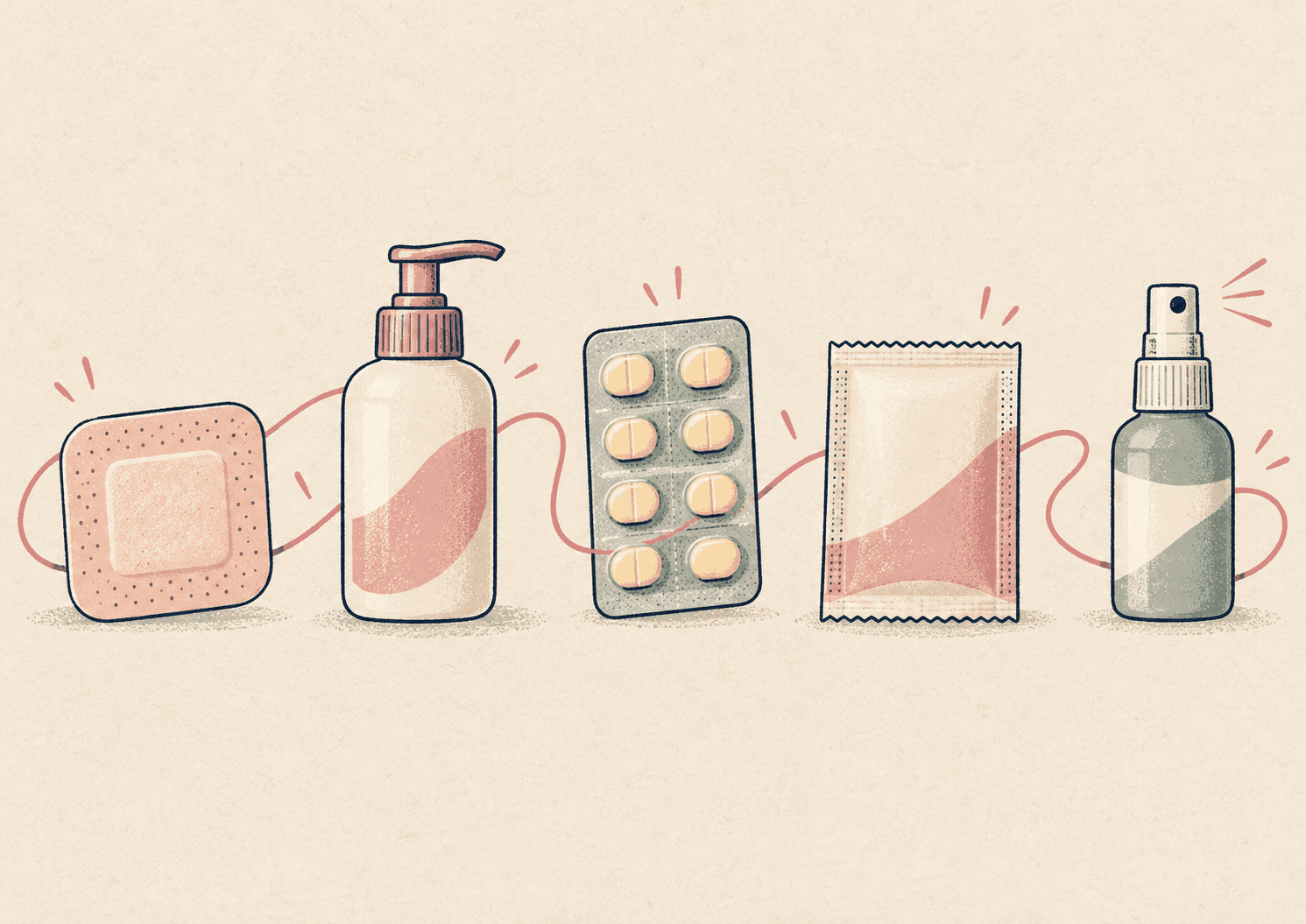
Types of HRT: Patches, Gels, Tablets and Body-Identical Options
Patches, gels, tablets, sprays and vaginal oestrogen explained, plus the difference between regulated body-identical and compounded bioidentical hormones.
6 min read
 Biomarker Testing
Should You Get Your Blood Tested for Perimenopause? The Case for Testing Early
Why testing early sets your own baseline, why tracking over time tells you more than one result, and what a useful perimenopause blood panel includes.
6 min read