What Age Does Menopause Start? The Full Picture
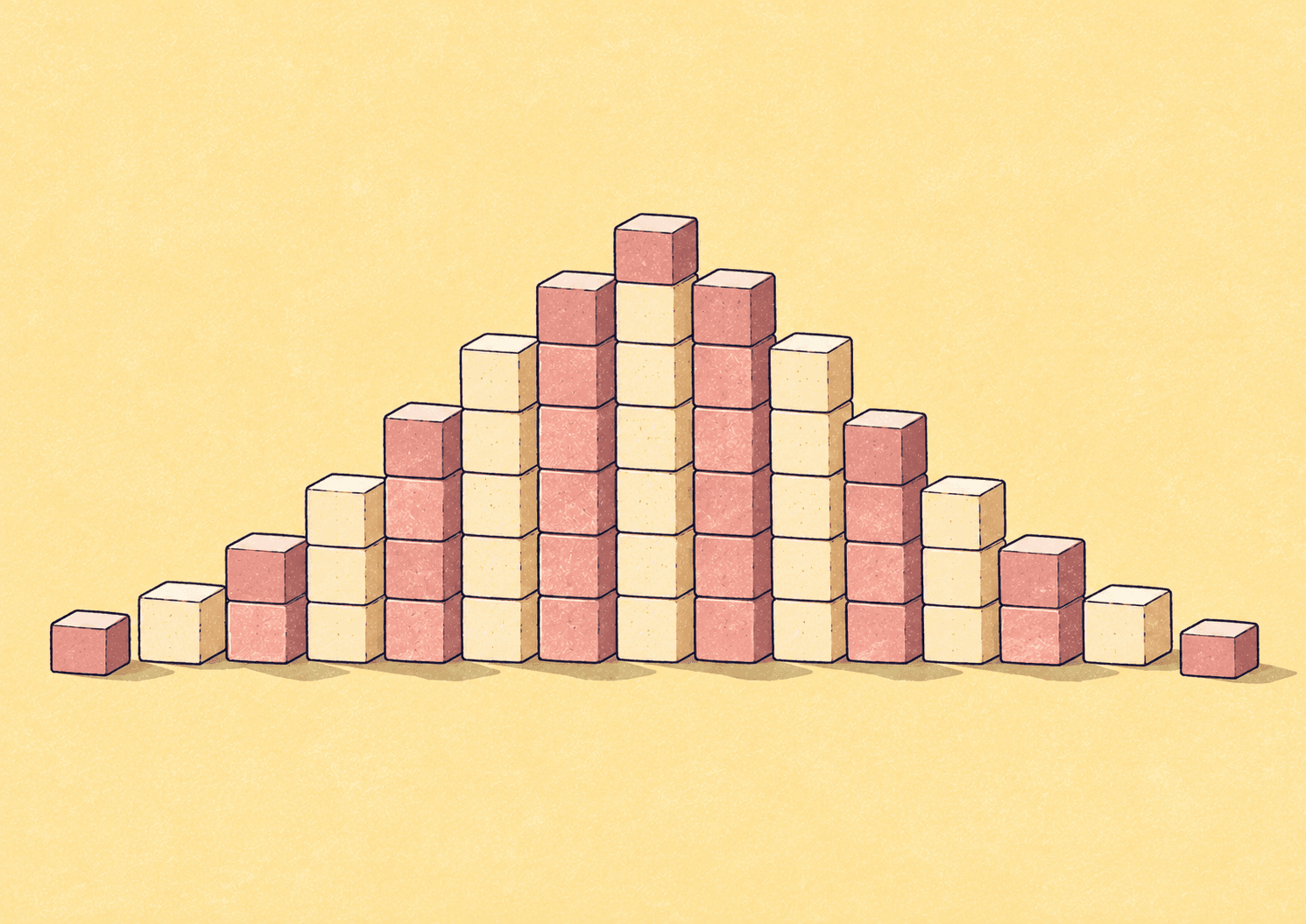
Ask around and plenty of people will place menopause somewhere in the late 50s, one of health communication's more stubborn myths. In the UK it arrives at 51 on average, and anywhere between 45 and 55 is considered normal. The changes that lead up to it start earlier, usually in the mid-40s, and for some women in the early 40s or even the late 30s.
So if you are in your early 40s and wondering whether any of this is relevant to you yet, it is a fair question. For most women the hormonal shifts behind the whole transition begin in the mid-40s, and for some they begin considerably sooner.
What is the average age of menopause in the UK?
The average age of natural menopause in the UK is 51, with 45 to 55 counted as clinically normal. For planning your own health, the more useful number is the age perimenopause begins, which usually falls in the mid-40s and can come in the early 40s or late 30s.
Do the maths. If perimenopause begins at 44 and your final period arrives at 51, that is a seven-year transition, seven years of possible symptoms, hormonal change and health effects.
Through much of that time, many women, and sometimes the people treating them, assume none of it applies yet. Our guide to what perimenopause is explains that stage in more detail.
At what age is menopause considered early?
Menopause before 45 is classed as early menopause and affects roughly 5% of women. Menopause before 40 is called premature ovarian insufficiency, or POI, and affects around 1%, about one in every 100 women under 40. Both carry greater health implications than menopause at 51, because a longer stretch of low oestrogen brings greater associated risks to your heart, bones and brain.
NICE recommends HRT for women with POI, unless there is a specific reason not to. The reasoning is replacement, since HRT at that age stands in for hormones the body would otherwise still be making and supports the systems oestrogen looks after. For early menopause between 40 and 44, NICE has asked for more research on HRT's long-term effects, so it is worth talking the options through with your doctor.
Whether it suits you is a conversation with your GP or a menopause specialist. Our guide to early menopause and POI covers the subject in depth.
What affects the age you go through menopause?
Genetics is the strongest predictor, and your mother's age at menopause is the most useful single piece of information you can have about your own likely timing. Smoking is linked with an earlier menopause, by around one to two years in most studies. Chemotherapy, radiotherapy to the pelvis and surgery to remove the ovaries can each bring on an earlier or immediate transition.
Is it worth testing your hormones in your early 40s?
A hormone result means most in context. If you test your FSH for the first time at 47, when you already have symptoms, you have one reading and nothing to compare it with. If you had tested at 40, while everything was stable, you would have a baseline, your personal normal.
You and your doctor could then read later results against that baseline, instead of against a population average that may not reflect you at all.
Testing in your early 40s gives you a calm reference point, data that becomes useful when you need it, so that change over time is visible and your conversations with your doctor rest on your own biology. That is the idea behind the test, and our guide on whether to get a perimenopause blood test weighs up when testing helps.
Questions women ask
Can menopause start at 40?
It can. Menopause before 45 is called early menopause and affects roughly 5% of women, while menopause before 40 is called premature ovarian insufficiency and affects around 1%. Perimenopause, the transition before menopause, can begin in the early 40s or even the late 30s.
Will I go through menopause at the same age as my mum?
Genetics is the strongest predictor of when menopause arrives, and your mother's age at menopause is the most useful single guide to your own. It remains a guide, and other factors, such as smoking, can shift your timing.
Does smoking bring on menopause earlier?
Smoking is linked with an earlier menopause, by around one to two years in most studies. Medical treatments, including chemotherapy, pelvic radiotherapy and surgery to remove the ovaries, can also bring on an earlier or immediate menopause.
References
NICE. (2015, updated 2024). Menopause: identification and management. Guideline NG23.
Mishra GD & Kuh D. (2012). Health symptoms during midlife in relation to menopausal transition. BMJ, 344: e402.
Gold EB. (2011). The timing of the age at which natural menopause occurs. Obstetrics and Gynecology Clinics of North America, 38(3): 425–440.
Midgette AS & Baron JA. (1990). Cigarette smoking and the risk of natural menopause. Epidemiology, 1(6): 474–480.
Panay N, et al. (2024). Evidence-based guideline: premature ovarian insufficiency. Human Reproduction Open, 2024(4): hoae065.
Ready to thrive in midlife?
Book my testKeep reading.
 Foundations
Early Menopause and Premature Ovarian Insufficiency: What You Need to Know
Early menopause and premature ovarian insufficiency (POI) differ from menopause at the usual age. What causes them and why the health picture is different.
4 min read
 Biomarker Testing
Should You Get Your Blood Tested for Perimenopause? The Case for Testing Early
Why testing early sets your own baseline, why tracking over time tells you more than one result, and what a useful perimenopause blood panel includes.
6 min read
 Foundations
What Is Perimenopause? The Stage Nobody Warned You About
Perimenopause is the transition before menopause, and often the most disruptive part. What it is, what it feels like, and why it's so often missed.
4 min read