Perimenopause vs Menopause: What Is the Difference?
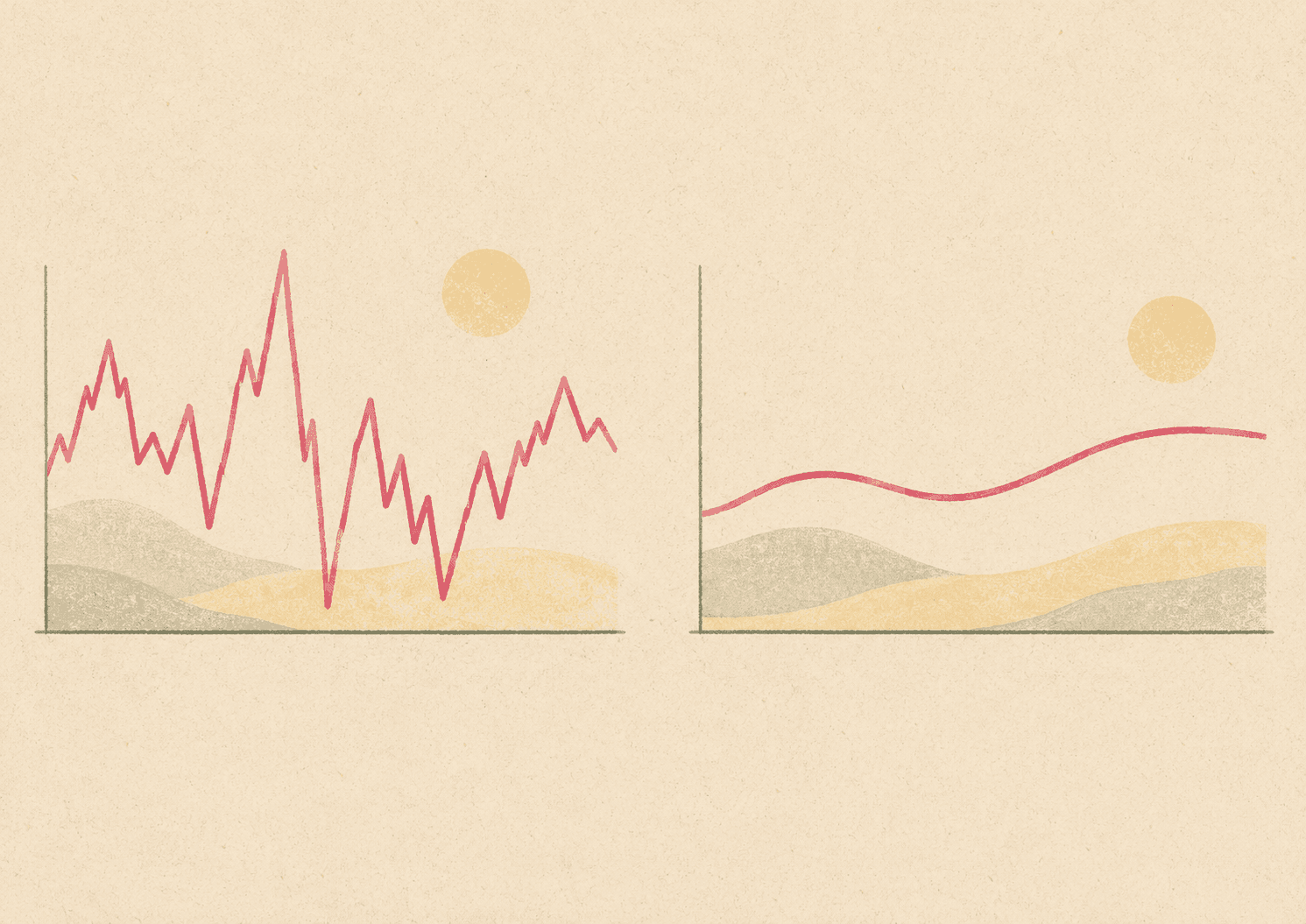
Wellness brands, well-meaning relatives and most of daytime television use the two words as if they meant the same thing. Perimenopause is the transition, the months or years when hormones change and symptoms tend to appear. Menopause is a single date at the end of it, the point twelve months after the final period, and everything after that date is postmenopause.
The difference matters in practice. It shapes the help you ask for, and whether you are taken seriously when you ask.
What do the terms mean?
Menopause is one specific moment, the point at which you have gone twelve consecutive months without a period. It is a single anniversary, confirmed in hindsight, and in the UK it arrives at 51 on average.
Perimenopause covers everything leading up to that point. Through these months or years your oestrogen and progesterone levels fluctuate and eventually decline, and most women who notice symptoms are in this phase.
It can last up to a decade. Our guide to what perimenopause is explains it in full.
Postmenopause is everything that follows. Your hormones settle at a new, lower baseline. Some symptoms improve, while the longer-term health effects of lower oestrogen stay relevant for the rest of your life.
Why does it matter which stage you are in?
Mixing the two up creates a familiar problem. A woman in her mid-40s sees her GP with significant symptoms, hears that she cannot be menopausal because her periods have not stopped, and leaves without support.
On the definition alone, that GP is right, since she is not menopausal. She may well be perimenopausal, and perimenopause deserves clinical attention with or without the twelve-month marker.
NICE guidelines are clear on this point. In women over 45 with typical symptoms, perimenopause is a clinical diagnosis. You do not need your periods to have stopped to be assessed and offered support, and knowing that gives you something concrete to bring into a GP appointment.
How are your hormones different in perimenopause and menopause?
In perimenopause, oestrogen fluctuates. Some weeks it runs higher than usual and some weeks it drops. That volatility is thought to drive the intensity of many perimenopausal symptoms, from the erratic moods and unpredictable flushes to the run of good nights followed by a week of barely sleeping.
Progesterone tends to fall first. Your body makes it after ovulation, so once your cycles stop ovulating reliably, which happens early in perimenopause, progesterone drops before oestrogen does. That early shift may contribute to some of the first changes women notice, such as heavier periods, broken sleep and anxiety that seems to come from nowhere.
In postmenopause, hormones settle at a consistently low level. The turbulence of perimenopause gives way to a calmer, if different, hormonal environment.
Some symptoms ease. Others, in particular genitourinary changes affecting the vagina and bladder, persist and need ongoing management.
What if you think you might be perimenopausal?
If you are in your 40s and something feels off, whether that is your sleep, mood, energy or cycle, and someone tells you it cannot be hormonal because you still have periods, you can keep the conversation going. Perimenopause is real, it matters, and a GP or menopause specialist can help you look into what is behind the changes. Our guide to how long perimenopause lasts explains what to expect over the coming years.
Keeping track of how your symptoms, cycle and hormones change over months gives you and your GP more to work with than any single moment can, which is the idea behind the test.
Questions women ask
Can you be in perimenopause and still have regular periods?
Yes. Perimenopause ends with your last period, so you can be in it while your periods continue. NICE guidelines say that in women over 45 with typical symptoms, perimenopause is a clinical diagnosis, and your periods do not need to have stopped.
Do menopause symptoms stop after menopause?
Some ease once your hormones settle at their new, lower level in postmenopause. Others persist, in particular genitourinary changes, which need ongoing management. The longer-term health effects of lower oestrogen also stay relevant after menopause.
Which hormone drops first in perimenopause?
Progesterone usually falls first. Your body makes it after ovulation, and cycles become less reliably ovulatory early in perimenopause, so progesterone drops before oestrogen does.
References
NICE. (2015, updated 2024). Menopause: identification and management. Guideline NG23.
Harlow SD, et al. (2012). Executive summary of the Stages of Reproductive Aging Workshop +10. Menopause, 19(4): 387–395.
Santoro N, et al. (2016). Menopause: biology, clinical considerations, and therapeutic approaches. F1000Research, 5: F1000 Faculty Rev-1184.
Ready to thrive in midlife?
Book my testKeep reading.
 Foundations
What Is Perimenopause? The Stage Nobody Warned You About
Perimenopause is the transition before menopause, and often the most disruptive part. What it is, what it feels like, and why it's so often missed.
4 min read
 Foundations
What Is Menopause? Everything You Need to Know
What menopause is, when it happens and what changes in your body, from hormones to heart and bone health. A plain-English guide, backed by research.
4 min read
 Foundations
How Long Does Perimenopause Last? What to Expect
Perimenopause lasts longer for some women than others. What shapes your timeline, how the early and late stages differ, and when symptoms tend to ease.
4 min read